A new toothbrush. A second coffee mug. A different rhythm to the day.
Welcoming someone into your home doesn’t always start with a big gesture—it often starts with the smallest signs of thoughtfulness.
If you’re becoming a host for an individual with intellectual or developmental disabilities, you’re not just preparing a room. You’re preparing for a relationship. And like any good relationship, it begins with intention, openness, and care.
Think Beyond the Room
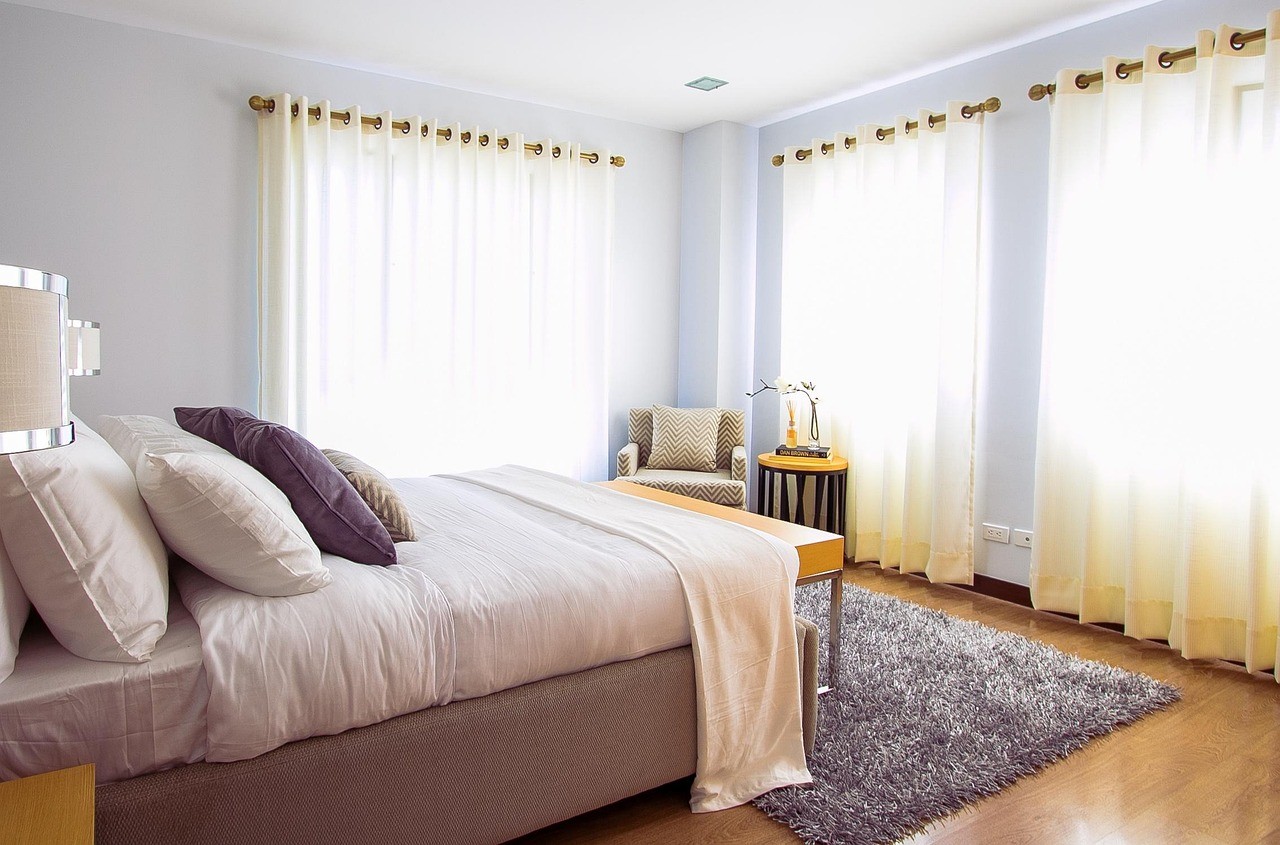
Yes, the basics matter. A clean, comfortable bedroom. Fresh linens. A drawer that’s theirs. A place to put their toothbrush. These are small signals of belonging—of being considered, not just accommodated.
But preparing your home goes beyond setup. Ask yourself: How does my home feel when you walk in? Is there warmth in the lighting? Are there quiet places to decompress? Is the front door easy to navigate, both physically and emotionally?
One host we know, Jessica, always leaves a welcome note on the dresser: “This is your home, too.”
Another, Jeff, keeps an extra hoodie by the door because his housemate sometimes gets chilly on walks.
These small gestures don’t cost much—but they speak volumes.
Build for Rhythm, Not Just Access
It’s easy to focus on what needs to be done: label drawers, stock snacks, double-check medications. And yes, those things matter. But the heart of shared living isn’t in the checklist—it’s in the flow of daily life.
That’s why preparing for a new housemate means inviting them into your rhythm.
Think about your routines:
-
What time do you usually eat dinner?
-
Is your home more structured or go-with-the-flow?
-
How do you handle things like chores or shared spaces?
It’s helpful to gently share these rhythms with your new housemate—and just as important to leave space for theirs. Maybe they love quiet mornings or need visual reminders for tasks. Maybe they eat at a different pace or need time to warm up to conversation. The goal isn’t to match exactly—it’s to co-create something that feels good to both of you.
One tip we love: create a simple weekly calendar and fill it out together. Add in standing events (Taco Tuesday, Sunday walks) and let it grow over time. Visual routines help build comfort and reduce anxiety—for everyone involved.