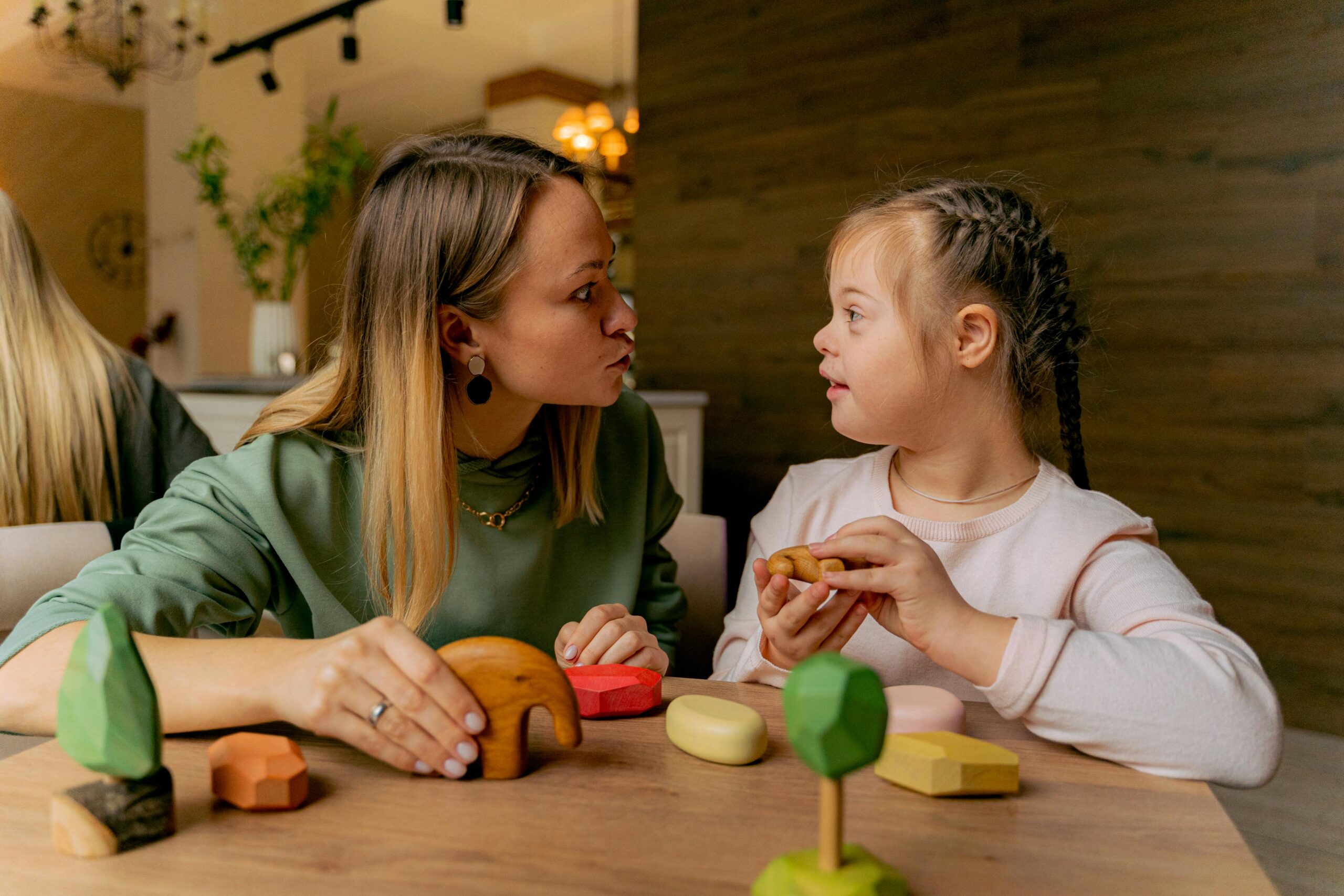
There is a moment many families in Nebraska eventually reach. A moment when someone you care about is ready for the next step. Ready for support that matches who they are becoming. Ready for routines, connections, and opportunities that help them move towards new goals. And you begin wondering what services can support that in a way that feels steady and human.
For individuals with intellectual or developmental disabilities, the Comprehensive Developmental Disabilities Waiver, often called the CDD Waiver, is one of the clearest pathways. It looks complicated on the surface, but at its heart, it is simply a structure that helps people live, work, socialize, and grow with the support they need.
This guide is written the same way we talk about the CDD Waiver with families every day. Plainspoken. Gentle. Focused on what matters most.
What the CDD Waiver Is Designed For
The CDD Waiver serves people of all ages who have developmental disabilities. It is built around a simple idea. When the right supports are in place, individuals can live in the community, build independence, and experience days filled with genuine belonging. And underneath it all, the waiver helps fund the services that make this possible, so people can keep moving toward their most preferred life. Not just supervision. Not just care. Life.
One of the strongest themes woven throughout the CDD Waiver is choice. People can live at home with their family. They can live in their own apartment. They can live with a shared living provider or in a small group home. Every path comes with different support, but the goal remains the same. Each person should have the chance to build a life that feels like their own.
Residential Services: Creating a Life at Home
The CDD Waiver includes several residential options, each offering different types of support based on what someone needs and what feels right for their lifestyle.
People can receive residential supports in:
-
Their own home or apartment
-
A provider-operated provider operated location
-
A shared living home with a professional host family
-
A small group home with three or fewer individuals
-
A Center for Developmentally Disabled home licensed for four or more individuals
Each setting comes with different levels of support, but all share the same outcome. Individuals learn independent living skills and spend more time in the community. For some, that means practicing cooking or laundry. For others, it means building social routines, joining activities, or strengthening relationships with neighbors.
The goal is not a placement. It is a home.
Day Services: Learning, Working, and Growing
For many participants, day support services are the natural next step after leaving school, offering structure, connection, and skill building as they move into adulthood. This is where people learn, practice, and strengthen the abilities they need to navigate the world. Think of day support as a steady rhythm that builds confidence one step at a time.
Day services may include:
Prevocational learning to build work readiness skills like problem solving, communication, and daily routines.
Supported employment for individuals seeking work in the community, often with job coaching or onboarding support.
Day center programs offer a welcoming, community-based space where people can come together to build skills, enjoy meaningful activities, connect with friends, and receive caring support from dedicated staff.
Habilitative community inclusion for learning and participating in activities throughout the community. This may mean classes, volunteer work, outings, or opportunities to explore interests.
These services are not only about work. They are about building confidence and connecting someone to the world around them.